The example factory's real growth: old method, then double deflation
What double deflation is, and why real GDP needs it
India's new GDP series measures manufacturing and farming with a method called "double deflation". Here it is with a simple example.
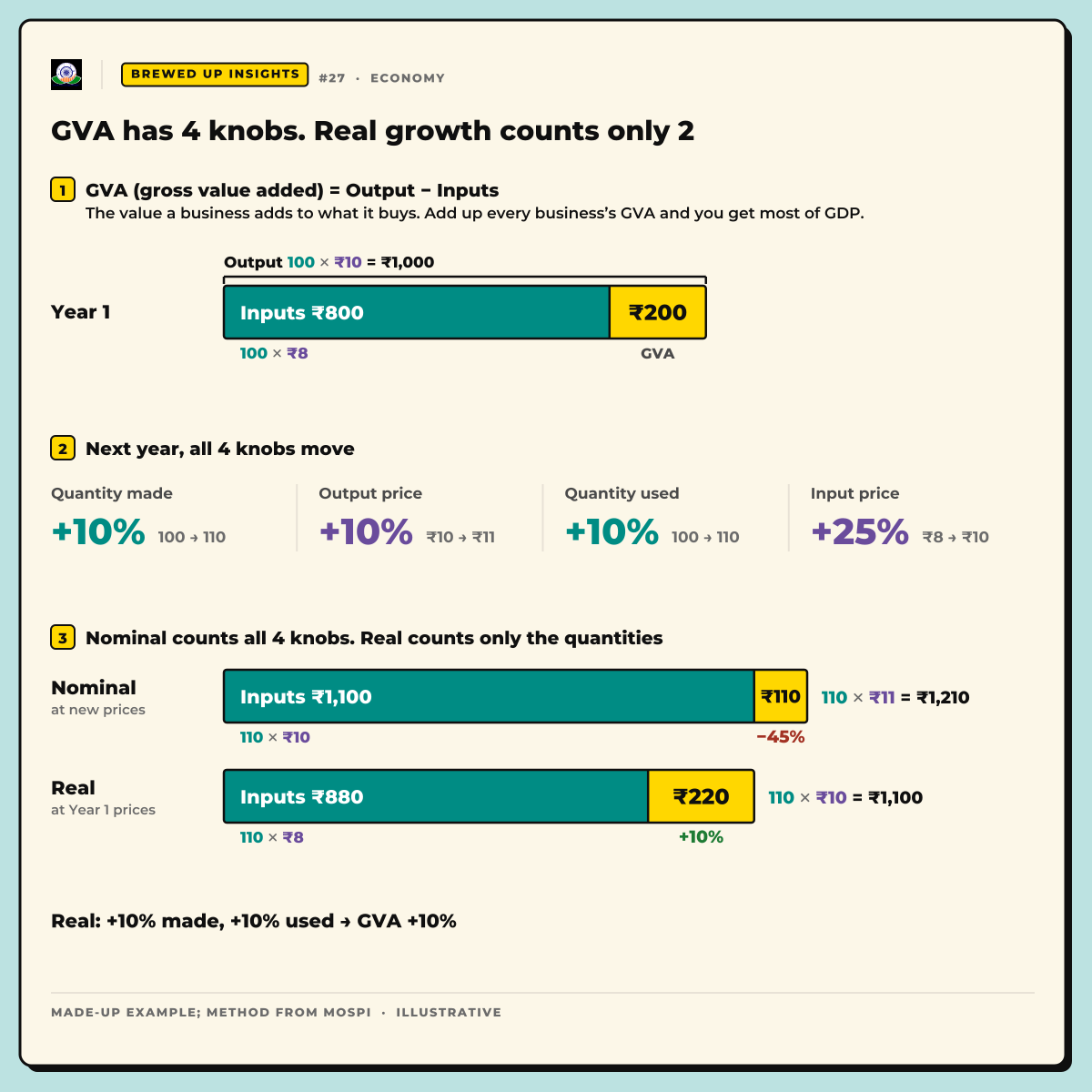
Start with gross value added (GVA). It is what a factory sells minus what it buys. This year, it makes 100 units and sells them at ₹10, so ₹1,000. It buys 100 units of raw material at ₹8, so ₹800. Hence, GVA is ₹200.
Next year, it makes 110 units and sells them at ₹11, so ₹1,210. It buys 110 units of material at ₹10, so ₹1,100. GVA is now ₹110, down 45%.
So did the factory shrink? No, in fact, it made 10% more. Only the prices changed. Its selling price went up 10%, but its material got 25% costlier.
Real growth means keeping prices fixed and counting only quantities. Double deflation fixes both prices: what the factory sells at, and what it buys at.
Sales at last year's price: 110 × ₹10 = ₹1,100.
Material at last year's price: 110 × ₹8 = ₹880.
So real GVA is ₹220, up 10% from ₹200. That matches what actually happened.
The old way used only one price for everything, usually the selling price. Take next year's GVA of ₹110 and remove the 10% price rise: ₹110 ÷ 1.10 = ₹100. That says GVA fell 50%, from ₹200 to ₹100. It's wrong because it treats the material as if it got only 10% costlier, when it actually got 25% costlier.
So double deflation matters whenever input prices and selling prices move apart. Hence, nominal GDP growth minus inflation may no longer be a reliable way to get real growth.
Sources
- Business Standard, 14 September 2026, Saurabh Garg (Secretary, MoSPI) and Shubhabrata Das: Understanding double deflation, what it does and why it matters. Real value added is output less inputs, each deflated by its own prices; used for 28 of 30 manufacturing categories
- MoSPI, Press note on the new series of GDP estimates with base year 2022-23, 27 February 2026