₹1 crore to ₹5 crore
Tax evaded before a GST criminal case, up from ₹1 crore
GST Council recommends no arrests and raises prosecution threshold 5x
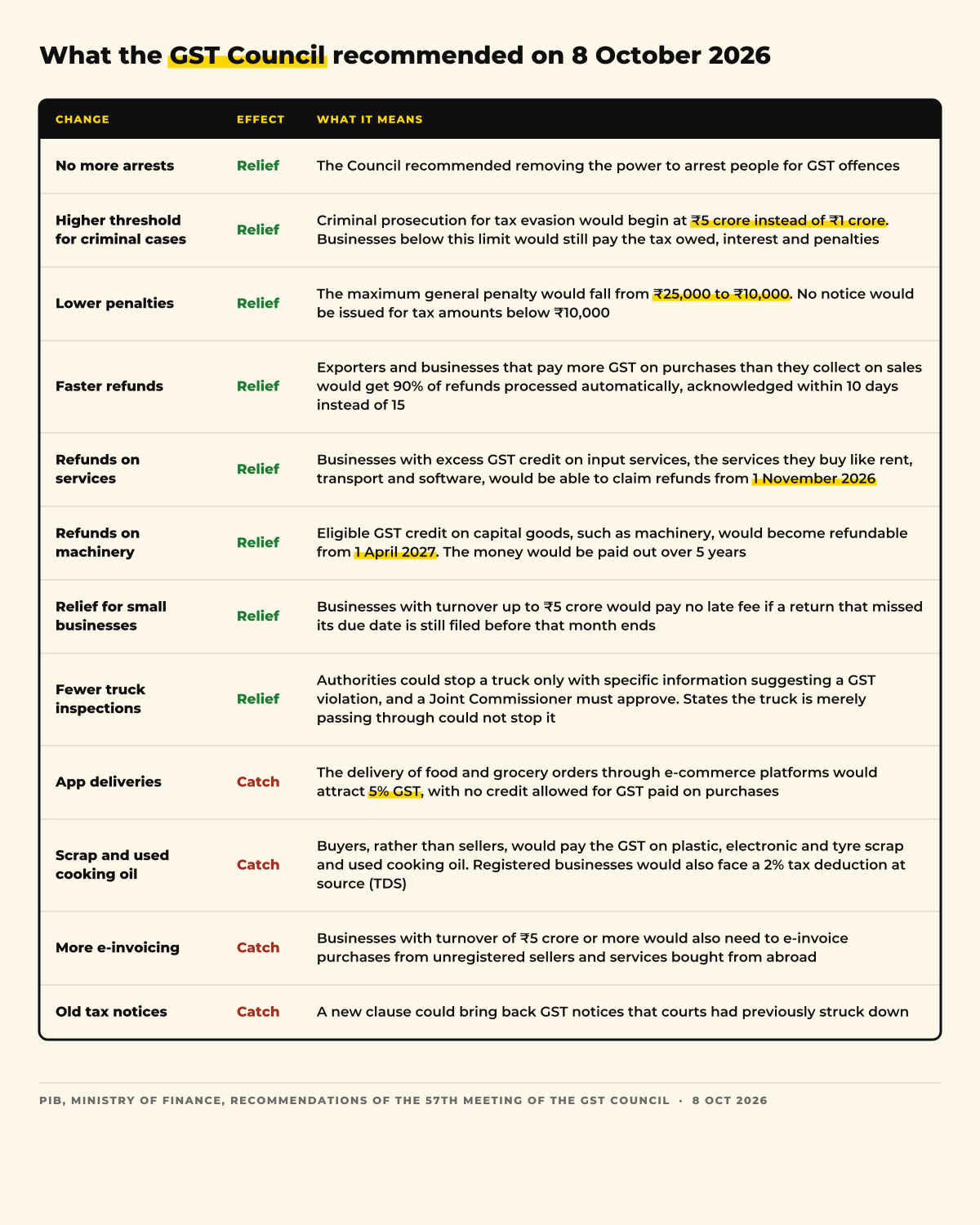
A primer on the recommendations by the 57th meeting of the GST Council, which took place on 8 October 2026. Keep in mind these have not been implemented as of date:
What the GST Council recommended on 8 October 2026
| Change | Effect | What it means |
|---|---|---|
| No more arrests | Relief | The Council recommended removing the power to arrest people for GST offences |
| Higher threshold for criminal cases | Relief | Criminal prosecution for tax evasion would begin at ₹5 crore instead of ₹1 crore. Businesses below this limit would still pay the tax owed, interest and penalties |
| Lower penalties | Relief | The maximum general penalty would fall from ₹25,000 to ₹10,000. No notice would be issued for tax amounts below ₹10,000 |
| Faster refunds | Relief | Exporters and businesses that pay more GST on purchases than they collect on sales would get 90% of refunds processed automatically, acknowledged within 10 days instead of 15 |
| Refunds on services | Relief | Businesses with excess GST credit on input services, the services they buy like rent, transport and software, would be able to claim refunds from 1 November 2026 |
| Refunds on machinery | Relief | Eligible GST credit on capital goods, such as machinery, would become refundable from 1 April 2027. The money would be paid out over 5 years |
| Relief for small businesses | Relief | Businesses with turnover up to ₹5 crore would pay no late fee if a return that missed its due date is still filed before that month ends |
| Fewer truck inspections | Relief | Authorities could stop a truck only with specific information suggesting a GST violation, and a Joint Commissioner must approve. States the truck is merely passing through could not stop it |
| App deliveries | Catch | The delivery of food and grocery orders through e-commerce platforms would attract 5% GST, with no credit allowed for GST paid on purchases |
| Scrap and used cooking oil | Catch | Buyers, rather than sellers, would pay the GST on plastic, electronic and tyre scrap and used cooking oil. Registered businesses would also face a 2% tax deduction at source (TDS) |
| More e-invoicing | Catch | Businesses with turnover of ₹5 crore or more would also need to e-invoice purchases from unregistered sellers and services bought from abroad |
| Old tax notices | Catch | A new clause could bring back GST notices that courts had previously struck down |
PIB, Ministry of Finance, Recommendations of the 57th Meeting of the GST Council · 8 Oct 2026